Physics-Based AI Engine
Physics-Based AI for Autonomous Building Control
Buildings are complicated. PassiveLogic’s physics-based AI models how building equipment behaves, how systems connect, and how control decisions affect the whole building—turning that understanding into autonomous action.
The Foundation
Understand the Building Before Controlling It
Effective building control starts with understanding what you control. PassiveLogic brings equipment, spaces, occupants, and system connections into a shared world model, giving its AI engine the context to reason across the building.

Component Ontology
Modeling Building Equipment and Its Behavior
A valve is more than a point on a controls diagram. It has a purpose, physical properties, and a relationship to the equipment around it. PassiveLogic represents these characteristics in a structured model—an ontology—so the engine can reason about what each component does and how it behaves.
system Ontology
Understanding Connections Between Building Systems
A pump moves water. Water carries heat. That heat changes conditions in a room. PassiveLogic models these connections so its AI engine can evaluate how an action in one part of the building affects another.
World Model
A Physics-Based Digital Twin of Your Building
Bring components, connections, and physical behavior together in one computational model. PassiveLogic’s world model gives its control engine a physics-based representation of the building, connecting individual equipment decisions to system-wide outcomes.
Physical AI
From Building Predictions to Control Decisions
Understanding what is happening is only the beginning. PassiveLogic’s physics-based AI evaluates how control actions could affect connected systems, using that understanding to coordinate equipment around energy, operating conditions, and occupant comfort.
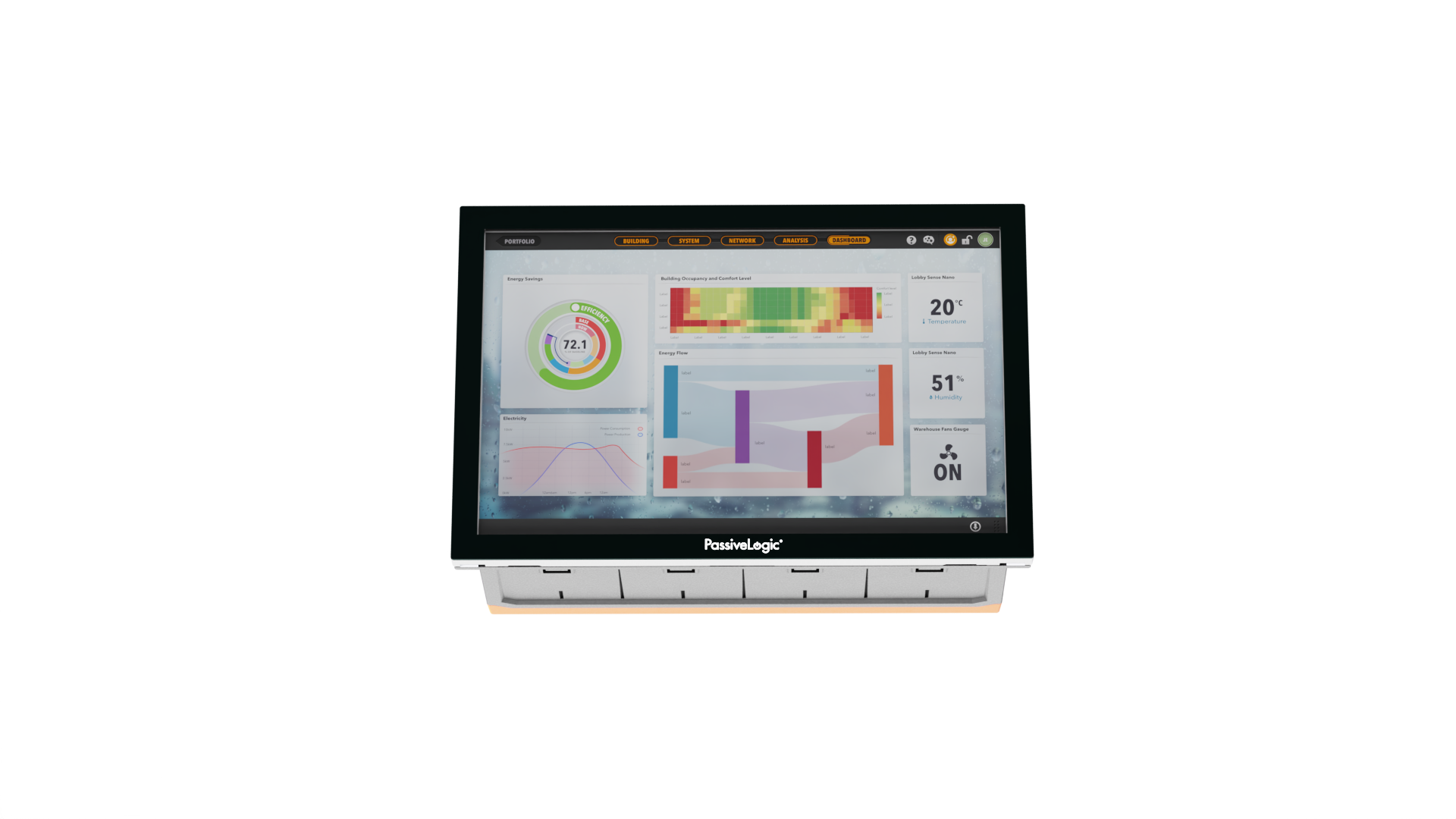
AUtonomous Control
From Building Automation to Autonomous Control
Building automation buyers need reliable control, efficient operations, and comfortable spaces. PassiveLogic approaches those needs through autonomous control: using a building world model to anticipate change and coordinate decisions across interconnected systems.
AUTOMATION vs. AUTONOMY
Instructions vs. Outcomes
Set the temperature.
Predefined rules control the system.
Set the priorities.
The system determines how to achieve your goals.
AUTOMATION FOLLOWS INSTRUCTIONS. AUTONOMY PURSUES OBJECTIVES.