The Complete AI Strategy
We Make Buildings Run Themselves.
PassiveLogic brings autonomous intelligence to building automation. Our physics-based AI platform connects building design, HVAC controls, commissioning, and operations through a shared digital twin—enabling buildings to coordinate their systems, adapt to changing conditions, and optimize energy performance and occupant comfort.
Building the foundation for autonomous buildings.









BEYOND BUILDING AUTOMATION
Beyond Building Automation.
Traditional building automation systems follow programmed rules, fixed schedules, and predefined control sequences. As buildings become more complex, these systems require ongoing engineering, manual adjustments, and maintenance to keep everything working together.
PassiveLogic takes building automation beyond programmed instructions. Our physics-based AI understands how building systems interact, enabling autonomous controls to make coordinated decisions and continuously adapt to real-world conditions.
Levels of Building Autonomy
The Levels of Building Autonomy.
Building automation follows instructions. Building autonomy makes decisions.
From traditional rule-based HVAC controls to intelligent, self-managing buildings, autonomy represents a fundamental shift in how building systems operate.
Discover the levels of building autonomy and how intelligent controls can move buildings from following commands to pursuing operational goals.
Follow
People tell buildings what to do. Technology helps carry out those instructions.
Think
Buildings make decisions, predict what's coming, and learn from experience.
Manage
Buildings manage themselves, balancing comfort, energy, cost, and performance.
Collaborate
Buildings work together and coordinate with the larger world around them.
Physical AI
How It Works — PHYSICS-BASED AI FOR AUTONOMOUS BUILDINGS
Buildings Need to Understand the World They Control.
Traditional building management systems monitor individual equipment and respond to sensor readings. But buildings are interconnected physical environments, where every control decision can affect energy consumption, comfort, and system performance.
PassiveLogic uses physics-based AI and digital twin technology to model those relationships. By understanding how equipment, energy, and environmental conditions interact, our autonomous building controls can evaluate decisions, anticipate outcomes, and coordinate operations across the building.
Instead of relying exclusively on predefined sequences, buildings can reason about how to achieve their goals.
Hive HArdware
Built to Work with the Hive Platform
Autonomous building intelligence needs reliable, real-time control.
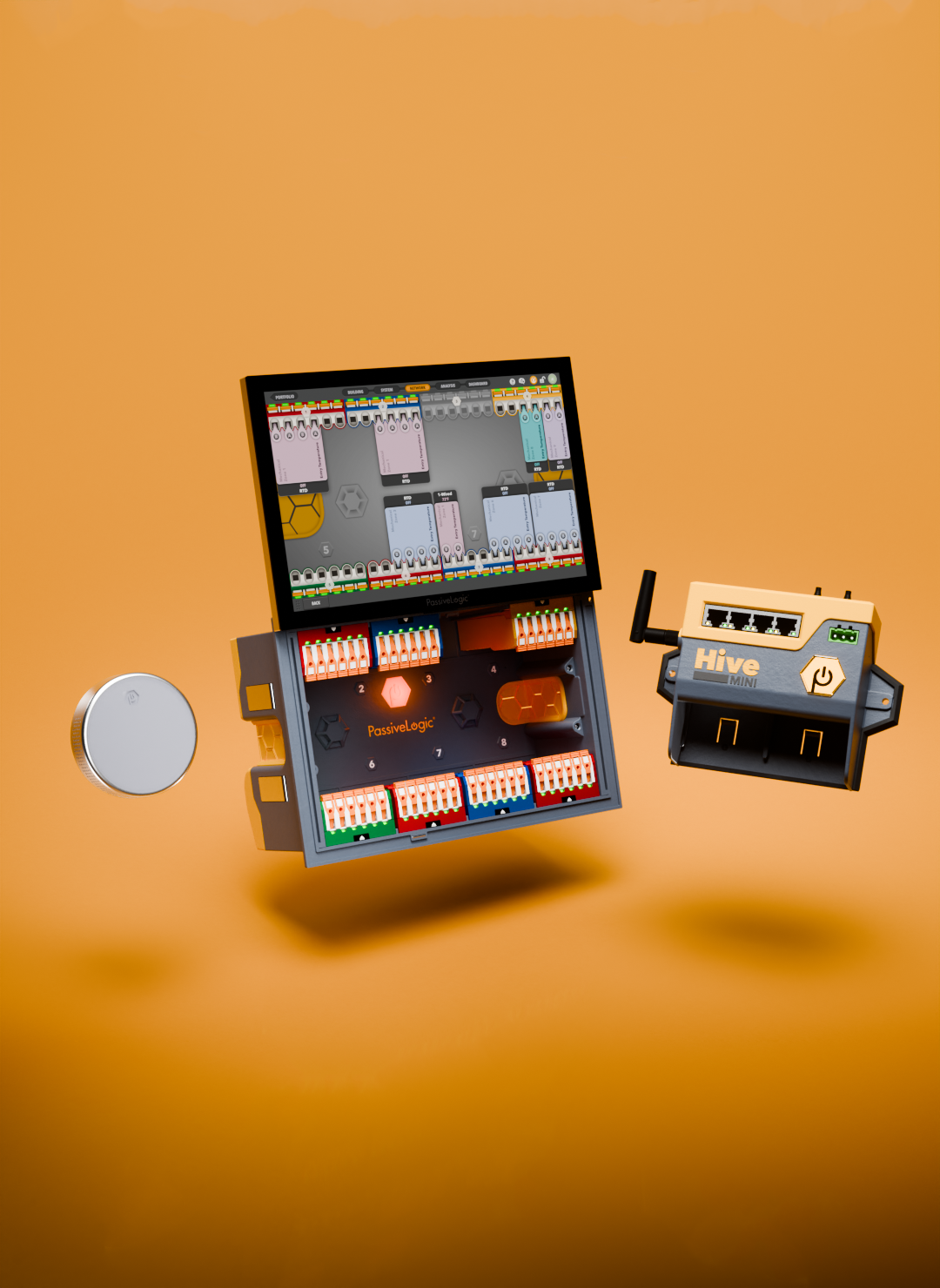
The PassiveLogic Hive Platform brings physics-based AI directly into the building. Combining intelligent controllers, connected sensors, and flexible I/O, Hive enables autonomous HVAC control and coordinated building operations at the edge.
From individual systems to complex commercial buildings, Hive connects the physical infrastructure to the intelligence that operates it.
Hive HArdware
Built to Work with the Hive Platform
Autonomous building intelligence needs reliable, real-time control.
The PassiveLogic Hive Platform brings physics-based AI directly into the building. Combining intelligent controllers, connected sensors, and flexible I/O, Hive enables autonomous HVAC control and coordinated building operations at the edge.
From individual systems to complex commercial buildings, Hive connects the physical infrastructure to the intelligence that operates it.
Newsroom
Our latest and greatest.
Discover the latest advances in autonomous building controls, physics-based AI, and intelligent building technology. Explore PassiveLogic product announcements, technical insights, and stories shaping the future of the built environment.



Welcome to Autonomy.
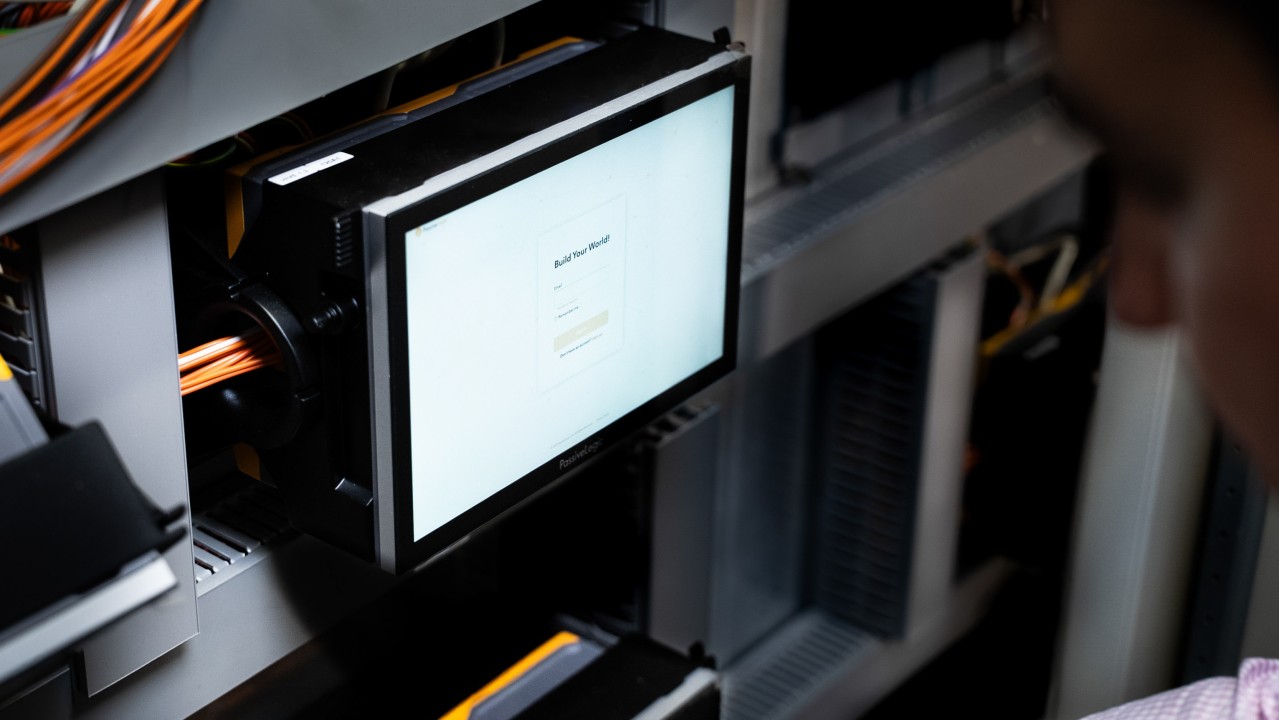
Explore how Hive hardware and PassiveLogic Studio bring this approach to your building.
Learn more about Autonomy.
Put your building to work.
Learn more about Autonomy.
Put your building to work.